
Academics at St. Charles Lwanga College

The school provides both O-Level and A-Level education and prepares students for Uganda National Examinations Board assessments as well as progression to universities, tertiary institutions, vocational training and other post-secondary opportunities.

Ordinary Level Education

The O-Level programme provides learners with a broad secondary education and develops the competencies needed for further learning.

Advanced Level Education

Students are prepared for the Uganda Advanced Certificate of Education examinations and for progression into universities, tertiary institutions, professional programmes and other opportunities.

Teaching and Learning

Effective learning requires active participation from both teachers and students.

WHERE THERE IS THE WILL, THERE IS THE WAY

Assessment and Academic Progress

Assessment is an important part of the learning process.

It enables teachers to measure progress, identify areas in which learners require additional support and help students understand how they can improve.

Students may be assessed through class exercises, homework, projects, practical work, continuous assessment, tests and examinations in accordance with curriculum requirements.
Candidate classes receive focused support as they prepare for national examinations.

Examination Preparation

Preparing students for national examinations involves more than revision at the end of a course.

Learners are encouraged to develop consistent study habits throughout their time at school, regularly review their work and seek assistance when they experience difficulty.

Teachers support candidate classes through curriculum coverage, assessment, revision and examination guidance.

The school has a long-established UNEB examination identity under centre number U0035

Digital Learning and ICT

Technology has become an important part of modern education.


ICT Laboratory

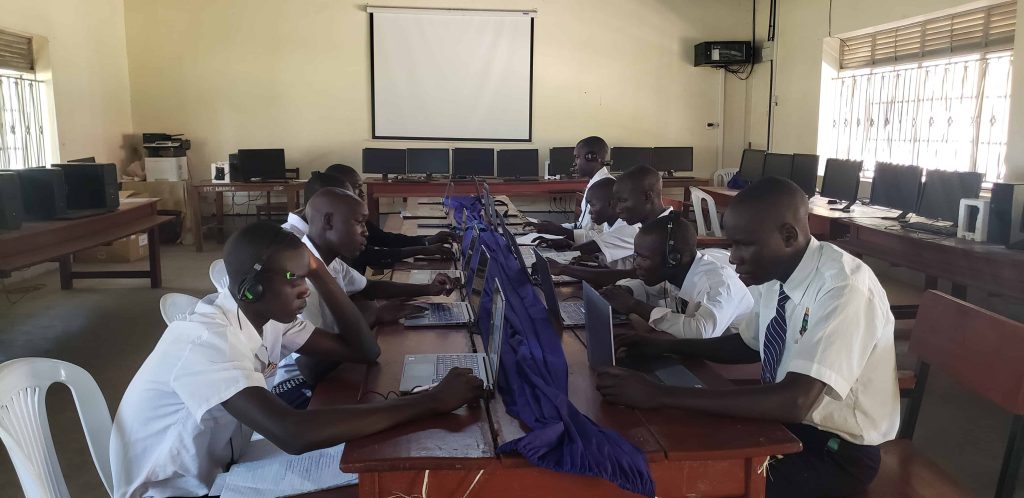
St. Charles Lwanga College has previously benefited from Uganda’s school ICT laboratory initiatives aimed at expanding access to computers and digital learning in secondary schools.

eLearning

Digital learning therefore forms an important area for continued development as the school prepares students for an increasingly technology-driven world.

St. Charles Lwanga College Koboko computer lab

ICT in education

Access to digital tools can help learners develop computer literacy, improve research skills, access educational resources and prepare for technology-supported environments in higher education and employment.

Latest News and Updates from St. Charles

UNEB Releases 2026 National Examination Timetables

UNEB Releases 2026 National Examination Timetables

UNEB has released the 2026 national examination timetable, marking the beginning of final preparations for UCE and UACE candidates.
Continuous Assessment Now Plays a Key Role in Learner Achievement

Continuous Assessment Now Plays a Key Role in Learner Achievement

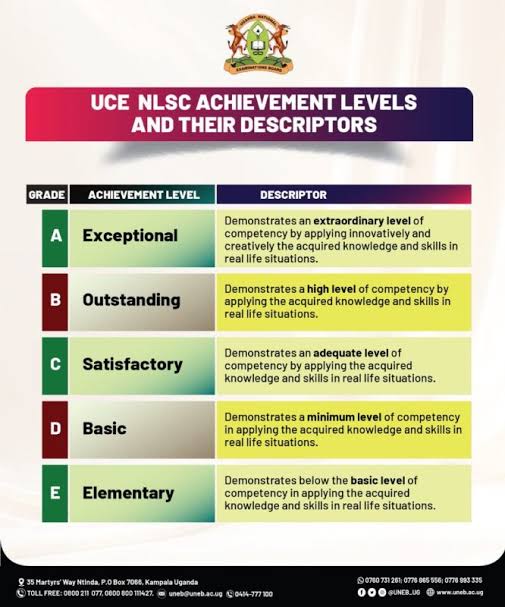
Under the Competency Based Curriculum, classroom work, projects, and continuous assessment are now central to student success.

Schools Urged to Follow the 2026 Academic Calendar

Schools Urged to Follow the 2026 Academic Calendar

The 2026 school calendar provides key term dates, holidays, and national school activity schedules for planning.